Prone Cobra (McKenzie Extension)
Hands flat, press up slowly, hips stay heavy, hold ten seconds. Watch where the pain lives. Hold 10 seconds. You should feel a mild compression at the top of the press-up is normal. The diagnostic feature is what happens to the leg pain: if it moves UP toward the spine, this is the right exercise. If it moves DOWN further into the leg, this is the wrong exercise for you.
The prone cobra (also called the McKenzie press-up or prone press-up) is the centrepiece of the Mechanical Diagnosis and Therapy extension protocol for disc-related sciatica. In a randomised trial published in Spine, patients with discogenic pain whose symptoms centralised with extension were matched to extension-bias exercises and showed greater improvements in pain and disability than patients on a generic exercise programme. The centralisation response is the real-time signal that this is the correct direction for that patient.
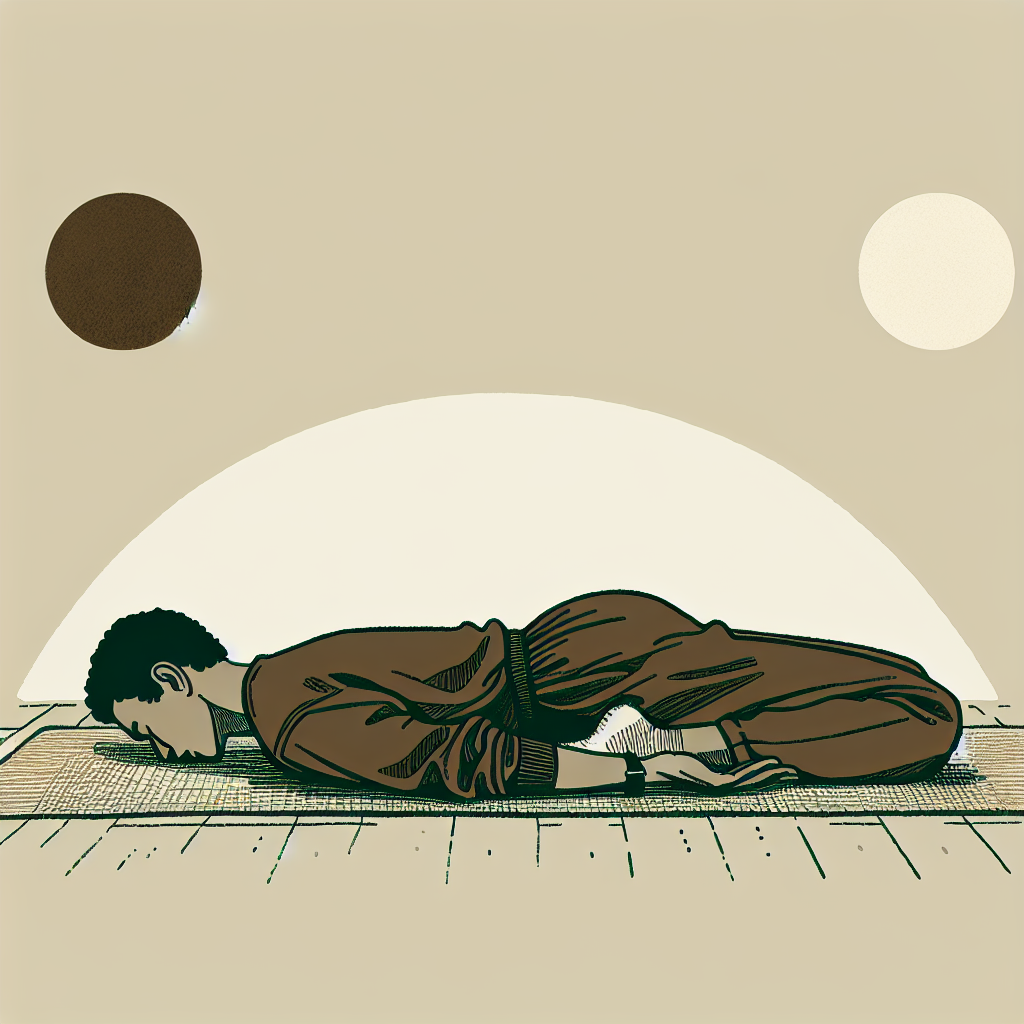
Illustration. Follow the steps for the actual technique.
How to do it
- 1
Lie face down with hands flat under your shoulders
Hands under shoulders
- 2
Press through your hands and slowly straighten your arms (or as far as comfortable)
Press up slowly
- 3
Let your low back sag, hips and pelvis stay on the floor
Hips stay down
- 4
Hold for 10 seconds at the top, watching where your pain lives
Hold and observe
- 5
Lower back down. Repeat 10 times. Stop immediately if pain moves further DOWN the leg
Ten reps, monitor centralisation
The evidence
The prone cobra (also called the McKenzie press-up or prone press-up) is the centrepiece of the Mechanical Diagnosis and Therapy extension protocol for disc-related sciatica. In a randomised trial published in Spine, patients with discogenic pain whose symptoms centralised with extension were matched to extension-bias exercises and showed greater improvements in pain and disability than patients on a generic exercise programme. The centralisation response is the real-time signal that this is the correct direction for that patient.
Citation: Long A, Donelson R, Fung T (2004). Does it matter which exercise? A randomized control trial of exercise for low back pain. Spine
Common questions
How long should I hold the Prone Cobra (McKenzie Extension)?
Hold the Prone Cobra (McKenzie Extension) for 10 seconds, breathing slowly.
What should I feel during the Prone Cobra (McKenzie Extension)?
A mild compression at the top of the press-up is normal. The diagnostic feature is what happens to the leg pain: if it moves UP toward the spine, this is the right exercise. If it moves DOWN further into the leg, this is the wrong exercise for you.
Is the Prone Cobra (McKenzie Extension) right for disc-bias or piriformis-bias sciatica?
The Prone Cobra (McKenzie Extension) is built for disc-bias sciatica: sharp, dermatomal leg pain that worsens with sitting and forward bending. Use the centralisation signal as your guide, and stop if pain peripheralises (moves further down the leg) rather than moving up toward the spine.
When should I stop the Prone Cobra (McKenzie Extension)?
Cauda equina symptoms (saddle numbness, bowel or bladder changes) are an absolute stop and an A&E presentation. Beyond that: peripheralising pain during extension means this protocol is not for your case. See a physiotherapist for a directional preference assessment.