Hamstring Nerve Glide (Slumped)
Sit tall, extend one leg, dorsiflex the foot, then slowly point the toes. Hold each end for two breaths. Hold 30 seconds each side. You should feel a pulling sensation behind the knee or in the hamstring, not pain. The point of the movement is to slide the nerve back and forth in its sheath, not to stretch.
Nerve gliding (or neural flossing) techniques aim to mobilise the sciatic nerve relative to its surrounding tissues. The classic slump-style glide alternates loading and unloading the nerve from both ends (foot and head) so the nerve slides without sustained tension. Evidence from systematic reviews suggests neural mobilisation produces modest benefits for radicular pain when added to a standard exercise programme, particularly in chronic cases.
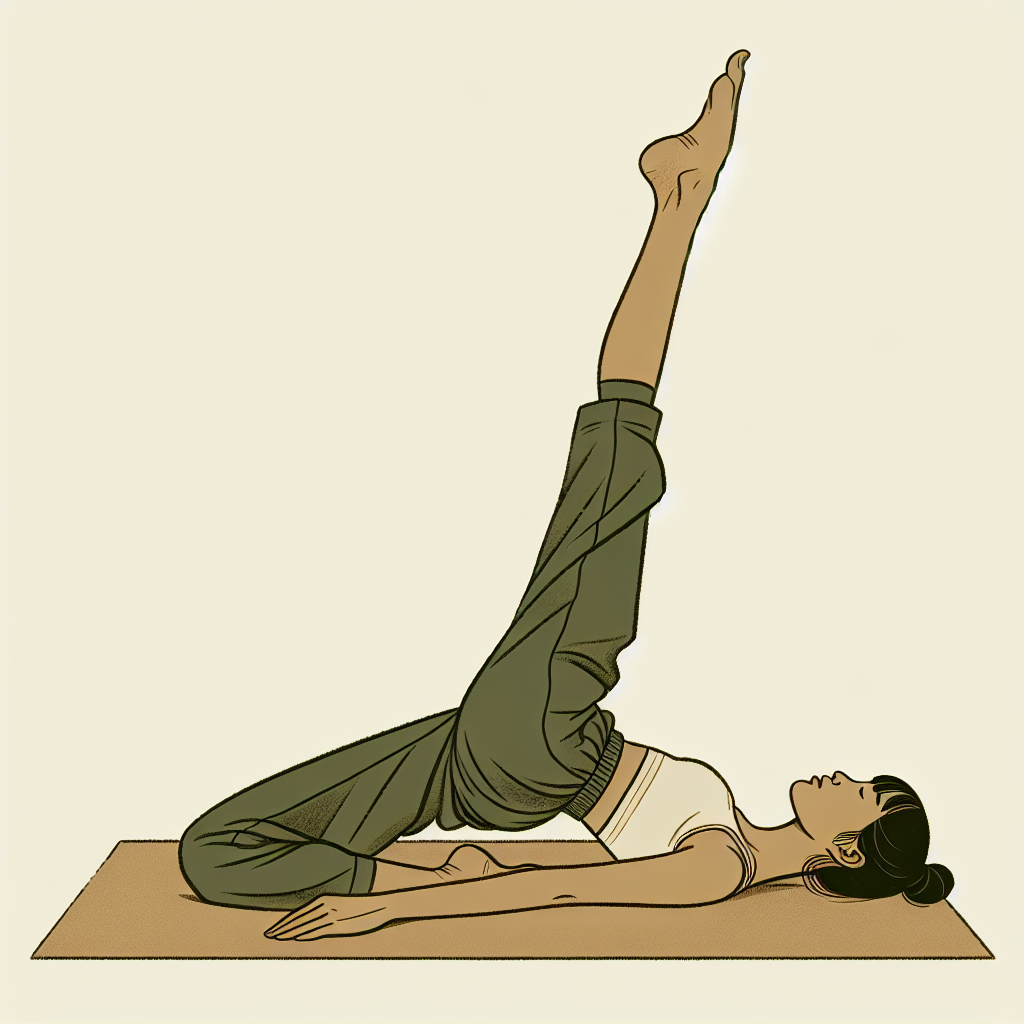
Illustration. Follow the steps for the actual technique.
How to do it
- 1
Sit on a chair, back relaxed, both feet flat on the floor
Seated start
- 2
Extend your right leg out in front of you, knee straight but not locked
Leg extends
- 3
Pull your right foot toward you (toes up), at the same time gently tucking your chin
Toes up, chin down
- 4
Now point your toes away and lift your chin slightly. This unloads the nerve
Toes away, chin up
- 5
Alternate slowly, two seconds in each position, for 30 seconds. Switch sides
Gentle alternation
The evidence
Nerve gliding (or neural flossing) techniques aim to mobilise the sciatic nerve relative to its surrounding tissues. The classic slump-style glide alternates loading and unloading the nerve from both ends (foot and head) so the nerve slides without sustained tension. Evidence from systematic reviews suggests neural mobilisation produces modest benefits for radicular pain when added to a standard exercise programme, particularly in chronic cases.
Citation: Basson A, Olivier B, Ellis R, Coppieters M, Stewart A, Mudzi W (2017). The effectiveness of neural mobilization for neuromusculoskeletal conditions: a systematic review and meta-analysis. Journal of Orthopaedic and Sports Physical Therapy
Common questions
How long should I hold the Hamstring Nerve Glide (Slumped)?
Hold the Hamstring Nerve Glide (Slumped) for 30 seconds on each side, breathing slowly. Then switch sides.
What should I feel during the Hamstring Nerve Glide (Slumped)?
A pulling sensation behind the knee or in the hamstring, not pain. The point of the movement is to slide the nerve back and forth in its sheath, not to stretch.
Is the Hamstring Nerve Glide (Slumped) right for disc-bias or piriformis-bias sciatica?
The Hamstring Nerve Glide (Slumped) suits either sciatica pattern. It mobilises the nerve or gently decompresses the spine rather than forcing the joint hard in one direction, so it is appropriate for both disc-bias and piriformis-bias presentations.
When should I stop the Hamstring Nerve Glide (Slumped)?
Nerve glides should not provoke shooting, burning, or electric pain. If they do, the nerve is too irritated to mobilise. Stop and switch to a child's pose decompression instead.